

Evidence of Need
Dementia in the UK and the West Midlands: the evidence behind our mission.
Dementia across the UK
Around 85,000 people are diagnosed with dementia each year, with 944,000 people living with dementia in the UK in 2021.
Behind these national figures sit the people most affected:
- Two-thirds of those affected are women
- 25,000 are from Black and minority ethnic groups
- 40,000 are younger people living with dementia
- 670,000 family carers provide vital, often unpaid, support
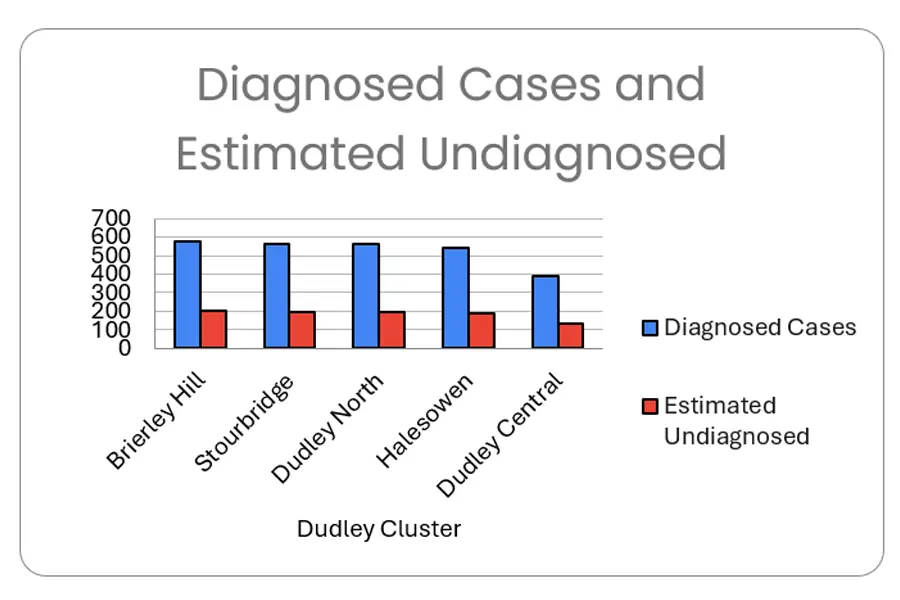
The West Midlands & Worcestershire
In 2024, approximately 73,400 people in the West Midlands were living with dementia, about 10.7% of all diagnosed cases in England. However, the regional diagnosis rate of 61% remains below the national target of 66.7%.
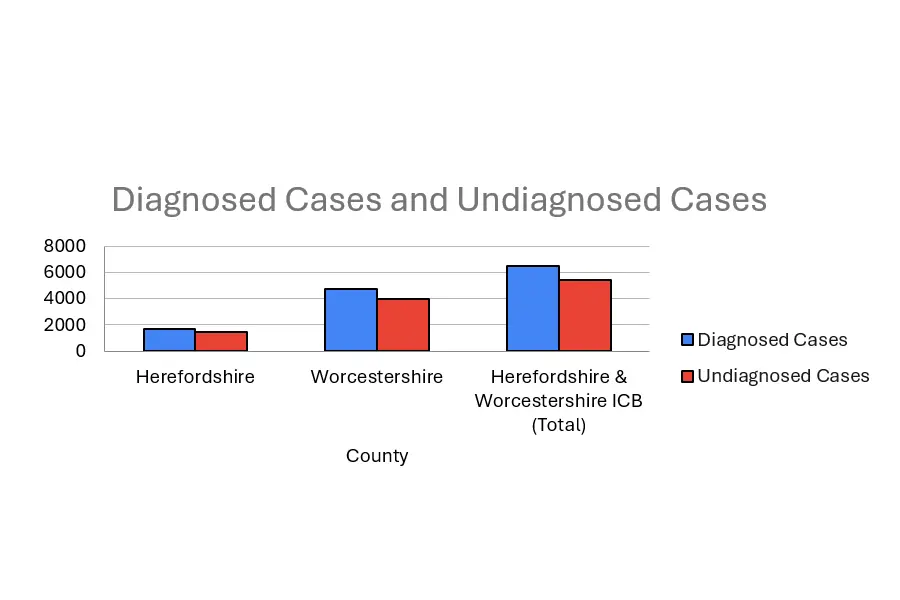
Gaps in care after diagnosis
Recent research across Birmingham and Worcestershire highlights significant gaps in post-diagnostic dementia care:
- Over one-third of carers receive no support after diagnosis
- Nearly one in three carers feel isolated, with limited access to information or nearby services
- Local reports call for clearer information, guidance and re-procurement of post-diagnostic services
- Many carers report that providing personal care becomes the tipping point for moving loved ones into residential care
Why families struggle to find help
- Signposting and information remain the biggest barriers for families
- Referral opportunities are often missed due to low professional awareness
- Timing issues persist: commissioners believe support is always available post-diagnosis, but families report that information stops soon after diagnosis
Only 20% of people with dementia and 38% of carers have received help from a dementia advisor, despite their proven value.
What needs to happen
- Improve diagnostic and home-based support
- Develop cost-effective local care options
- Simplify funding and respite models across local authorities
- Strengthen carer support and care home quality
Inspired by Sage House
As part of our local research and partnership planning, we have visited and researched a number of local charities and organisations that work with families living with dementia. Some of these places do great things, but it is clear that more can be done and needs to be done.
Our greatest inspiration is Sage House in West Sussex, a “One Destination” dementia support model offering integrated services from diagnosis to ongoing care. Since launching seven years ago, Sage House has supported 3,893 people living with dementia and 1,836 active attendees. An evaluation by the University of Chichester (2024) found the Sage House model to be:
- Effective in improving wellbeing and access to information
- Cost-efficient and easy to integrate into GP referral pathways
- Impactful in reducing stigma and building community awareness
The Unique Minds Centre
We aim to establish a stand-alone centre serving the Worcestershire and West Midlands communities, modelled on the Sage House “One Destination” approach. Our goal is to offer:
- A single, welcoming location for dementia support
- Access to advice, activities and guidance for both individuals and carers
- Collaboration with public agencies and community partners to shape local services
As our centre grows, we will conduct primary research with local communities and continue to refine our service offer, ensuring families living with dementia receive the support, dignity and quality of life they deserve.
The growing challenge
Dementia is one of the most significant health challenges of our time, and the scale of need is only going to grow.
In 2025 the number of people living with dementia in the UK passed one million for the first time. By 2040 that figure is projected to reach 1.4 million, an increase of nearly 40% in just 15 years. The economic cost of dementia to the UK is currently estimated at £26 billion per year and is expected to almost double to £90 billion by 2040.
Early intervention and community based support have been shown to reduce hospital admissions, delay care home placement and significantly improve quality of life for people living with dementia and their carers. Yet despite this evidence, over one third of carers still receive no support after a diagnosis.
This is why Unique Minds exists. The need is real, it is growing, and it is here in our communities right now.
Sources: University of Chichester – Evaluation of the Sage House Model of Dementia Support; Coventryobserver.co.uk; England.nhs.uk; Birmingham.ac.uk; Healthwatch Worcestershire – Report of Engagement on Information and Support Available to People Living with Dementia and their Carers After Diagnosis, July 2024 (Worcester.ac.uk); Office of Health Economics (2023); Dementia Hub UK (2025).